
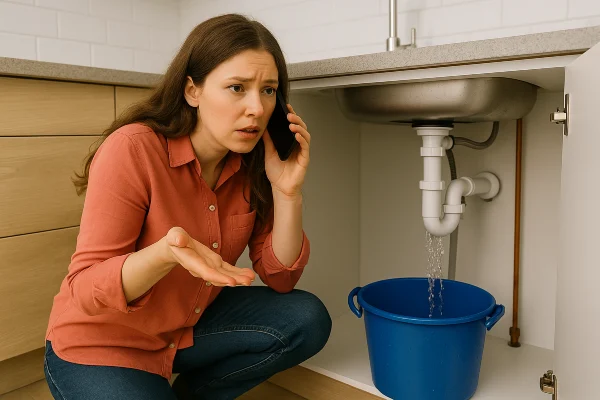
A sudden drop in water pressure at the shower, brown or discoloured water from the tap, or a damp patch spreading beneath a cabinet can turn an ordinary morning into a plumbing search. We can assess the source rather than treating the visible symptom. A leaking supply line may wet drywall for days, while a failing valve can leave a fixture without water or flood a room once it gives way.
A slow drain limited to one sink can usually wait for a scheduled visit if no water is backing onto the floor; avoid chemical cleaner, which can damage a trap or complicate repair. Call promptly for no hot water, a running toilet that will not stop after the shut-off is closed, sewage at a cleanout, or banging pipes near a wall. Shut off the local valve or main supply if water is actively escaping.
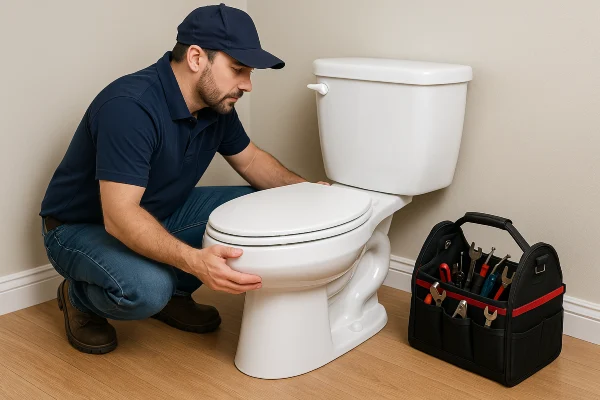
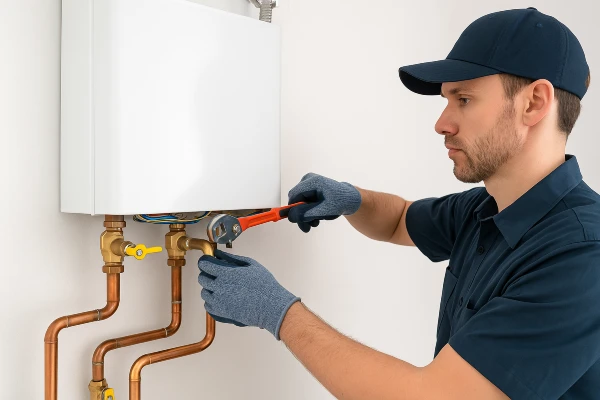
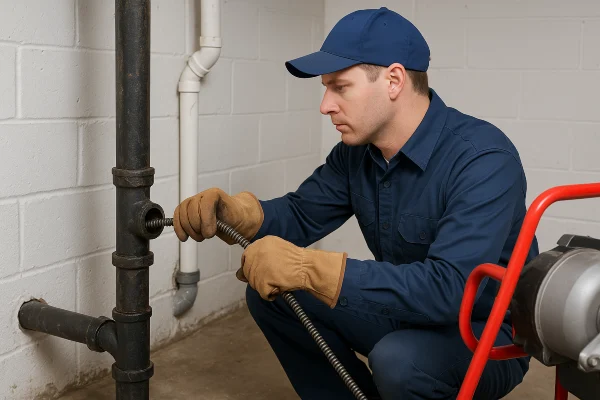
First, the plumber asks where the symptom began, checks fixtures, and locates the relevant shut-offs before isolating the supply. Water staining, tank temperature, and valve condition help narrow the fault. For a recurring drain blockage, a camera inspection through a cleanout shows whether grease, roots, or a collapsed section is involved; hydro jetting is chosen only after the pipe material and obstruction are understood. commercial plumbing services follow similar diagnostic principles, though home systems are smaller.
With the cause confirmed, the repair may mean clearing a trap, re-seating a toilet, soldering a copper supply line, or replacing a worn pressure regulator. A water-heater visit can include checking thermostats, flushing sediment from the tank, and inspecting the anode rod; depleted rods allow corrosion inside the steel tank. The work ends with valves reopened in stages and pressure testing at joints and fixtures, so a small drip is found before cabinets or drywall are closed.
A 1960s slab home with galvanized pipe poses a different decision from a newer house with PEX supply lines in an accessible attic. Corrosion may be confined to one elbow, but opening tile or tunneling beneath a slab changes the scope. Access behind a shower valve, the depth of a sewer cleanout, and what a camera reveals after work begins all affect the method. A hidden crack can turn a straightforward drain clearing into a section replacement.
Learn more about our expert Toilet replacement services.
Materials matter: a compatible brass valve, copper coupling, PVC fitting, or PEX connection must suit the existing system and local conditions. In Plano's cold snaps, an uninsulated exterior line can split, while summer demand exposes a weak pressure regulator. A targeted repair may sensibly buy roughly two years on an aging fixture; toilet replacement or a new water heater may involve more disruption but can avoid repeated leaks for 15 years or longer.
Before authorizing work in Plano, TX, ask who will diagnose the issue, how the water will be isolated, and what permits or inspections may apply to a water-heater or sewer-line change. Ask for the suspected cause, not merely the recommended part. A useful explanation distinguishes a failed fill valve from a drain blockage and notes risks such as brittle pipe, asbestos-containing wrap, or a shut-off that may not close fully.
A proper written estimate identifies the fixture or pipe section, labor scope, materials such as a ball valve or wax ring, testing, cleanup, and what could change if concealed damage appears. Confirm whether wall, tile, or drywall repair is included or left for another contractor. Before any soldering or hydro jetting starts, the contractor should explain the chosen approach, alternatives, expected water shutoff period, and how pressure testing will confirm that the repair holds.
EMERGENCY PLUMBER PLANO
200 Chisholm Pl, Plano, TX 75075
(469) 838-3320
ino@emergencyplumberplano.net
Hours of Operation
Open 24 Hours